AI-Generated Scientific Images Spark Nikon Competition Dispute
Latest Updates





visionaries Network Team
10 October, 2026
ai vr and automation
AI-generated scientific images spark controversy after Nikon disqualifies a microscopy video winner and awards first place to Nguyen Nam Nhat
Nikon has removed a winning video from its Small World in Motion competition after ruling that it broke the contest's rules on generative AI.
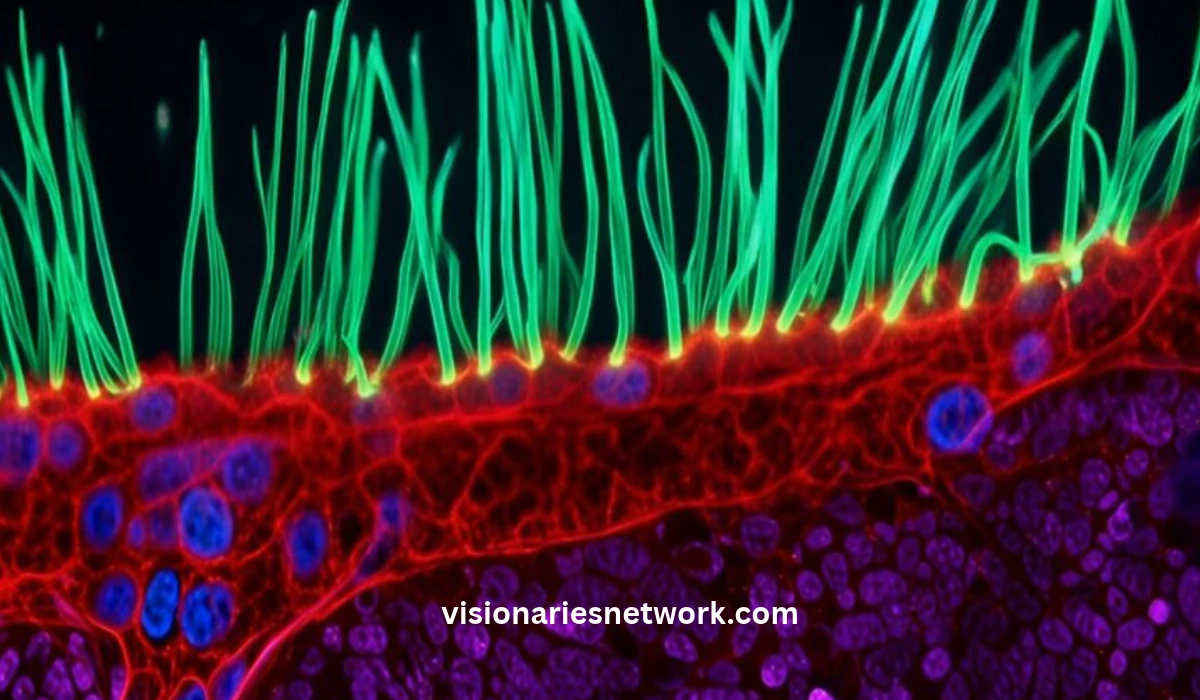
The video came from Ning Xu, an optical engineering researcher who was at Tsinghua University in China at the time. It showed tiny hair-like structures called cilia inside a child's airways. Cilia help move mucus out of the respiratory system.
After the winner was announced, scientists questioned whether the structures shown in the footage were accurate. The entry has since become a point of debate over AI-generated scientific images.
Scientists Questioned the Footage
The video focused on cilia linked to primary ciliary dyskinesia (PCD), a rare genetic condition. Xu used coloured light patterns to highlight parts of the sample at 100 times magnification.
Edward Phelps, an associate professor at the University of Florida, questioned the appearance of the cell nuclei and the size of the cilia. Other researchers called for an independent review.
Xu said he used AI-assisted post-processing to distinguish features in reconstructed grayscale images. He denied using AI to generate the video, the cilia or their movement.
Nikon disqualified the entry after reviewing its eligibility. In its official statement, the company said the decision was about the entry, not Xu's professional reputation or scientific contributions. The competition rules outline its restrictions on generative AI.
Nguyen Nam Nhat Takes First Place
Vietnamese researcher Nguyen Nam Nhat has been awarded first place. His video originally came second and shows a microscopic roundworm encountering a single-celled organism called Dileptus.
The Nikon competition, which began in 1975, showcases photographs and videos captured through microscopes. Its entries reveal organisms and biological activity that are rarely visible to the naked eye.
Questions About AI in Microscopy
AI can help researchers process images, but generated details can change what a viewer sees. This is where AI-generated media becomes a concern in scientific work.
For AI in microscopy, the key issue is whether the final image still represents the original sample. Clear records of image processing can help other researchers understand what they are seeing.
The Nikon case has drawn attention to how scientific video entries are checked and what counts as acceptable AI use. It also shows why competition rules need to keep pace with changing imaging tools.
Frequently Asked Questions
1. Why was the video disqualified?
Nikon said the entry did not comply with its rules on generative AI.
2. Who submitted the video?
Ning Xu, an optical engineering researcher who was at Tsinghua University in China at the time.
3. Who received first place after the decision?
Nguyen Nam Nhat of Vietnam won with a video of a roundworm encountering a single-celled Dileptus.
4. What are AI-generated scientific images?
They are scientific images created or altered using generative AI.
5. Is AI used in microscopy?
Yes. Researchers use AI to process and analyse images, but they must ensure the results accurately represent the sample.
Browse our most recent publications