Medical Device Security Risks Grow as Hospitals Prepare for Quantum Computing
Latest Updates




visionaries Network Team
09 October, 2026
cybersecurity
Medical Device Security Risks Grow as Hospitals Prepare for Quantum Computing
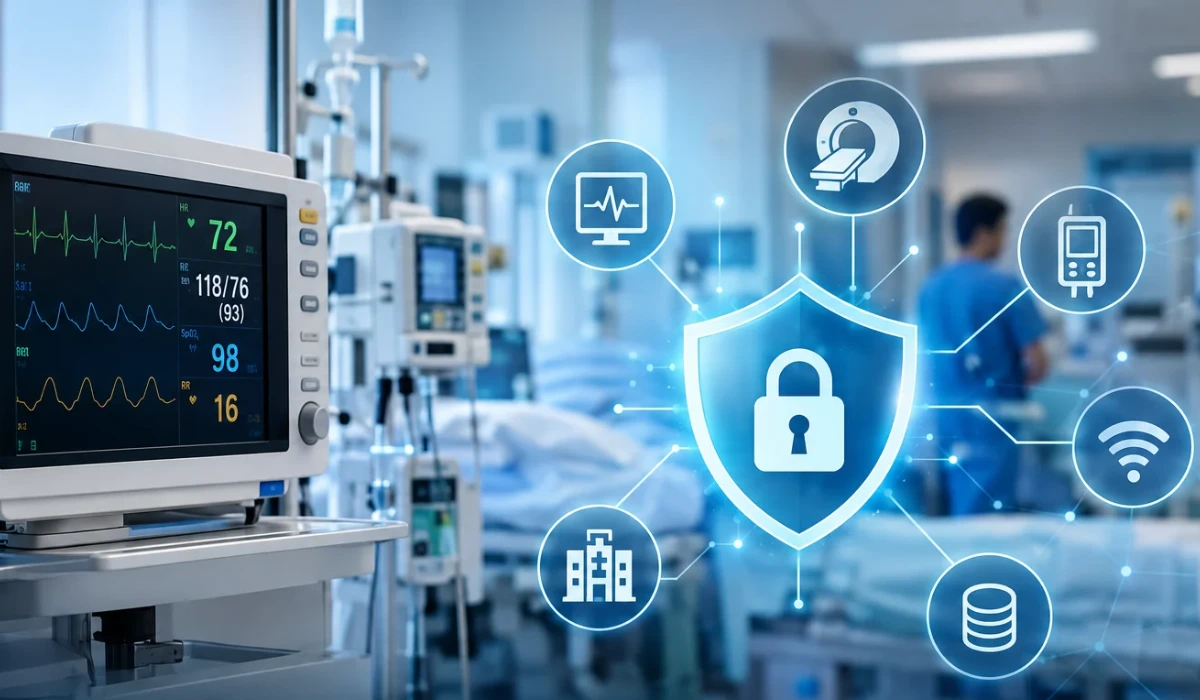
A hospital can have a device that works well but is hard to protect. Older patient monitors, scanners and other connected equipment often run software that cannot be updated easily. Replacing these devices is expensive so hospitals usually keep using them while trying to manage the risks. This is one of the challenges in medical device security. Researchers warn that some equipment may not be able to use encryption methods, which could leave it vulnerable.
An investigation by Forescout reported by Infosecurity Magazine on October 6 2026 looked at than 2.5 million devices across over 50 healthcare organizations. The results showed that 6% of internet-connected medical devices using SSH had the ability to support a move to post-quantum cryptography. For IT devices the number was much higher at 50%.
Why Updating Medical Equipment Is Difficult
Medical devices are not changed the way office computers. A software update on a monitor or a diagnostic machine may need testing to make sure it doesn't affect how the device works. Hospitals depend on manufacturers to provide patches and technical help. When that support ends fixing a security problem becomes much harder.
The danger doesn’t stop at one device. Connected medical equipment talks to hospital networks, databases and monitoring systems. If a hacker gets in through a device the whole system could be at risk.
The US Food and Drug Administration gives guidance on medical device cybersecurity. It tells manufacturers to include security in the design and development of devices. Security must continue after the device reaches a hospital especially when new software flaws appear.
Why Quantum Computing Matters
Quantum computers could one day break the encryption methods used to protect information today. Machines powerful enough to do this at a level do not exist yet. Experts and security agencies are preparing for this possibility.
One big worry is that attackers might collect encrypted data now and try to read it. Medical records are especially sensitive because health information can stay private for years.
This creates a long-term challenge for medical IoT security. Connected devices need to send and receive information securely. Older devices may not support new cryptographic standards. Some devices might be updated with software changes. Others may need help from the manufacturer. Must be replaced.
The National Institute of Standards and Technology has released cryptographic standards meant to resist attacks from quantum computers. Its post-quantum cryptography program includes details about the standards and how to move toward using them.
What Hospitals Should Check First
The Forescout report does not mean every device that cannot support -quantum cryptography has been hacked. It does mean many may need attention before the need for change becomes urgent.
Hospitals can start by checking:
· Device age and support: Is the manufacturer still giving security updates?
· Network connections: Does the device need access to every system it talks to?
· Encryption: Can the software support encryption standards?
· Replacement plans: If an update is not possible when can the device be replaced safely?
These checks can find security problems that have nothing to do with quantum computing. Old software and much network access are real risks today.
Manufacturers Have a Role Too
Hospitals cannot fix everything on their own. Manufacturers must tell customers how long their products will get updates and if older devices can handle security standards. Buyers should ask these questions when buying equipment. They should not wait until years later to find out what they missed.
The larger problem of cybersecurity and devices will not go away when quantum-resistant encryption arrives. Hospitals will still need to manage software updates, control access and respond to vulnerabilities. The new research adds one thing to consider: whether equipment can stay secure as encryption standards change.
Medical devices cannot be updated as easily as regular office computers. Any software change to a patient monitor or diagnostic machine must be tested carefully to ensure it continues to work safely.
Frequently Asked Questions
1. What is medical device security?
It means protecting equipment, its software and the information it handles from people who should not have access, cyberattacks and misuse.
2. Why is medical IoT security important?
Connected medical equipment shares information with hospital systems. If one device is weak it can let attackers into the network. Expose patient data.
3. Are computers already breaking medical device encryption?
No. Quantum computers that can break public-key encryption at a usable scale are not available now. The worry is about what they might do in the future.
4. Can older medical devices be upgraded?
Some can get software or security updates. Others have limits or no longer get support from the manufacturer. The options depend on the device and the company that made it.
5. What is post-quantum cryptography?
It is a type of encryption made to keep data safe even if quantum computers become powerful enough to break today’s methods. Organizations are starting to plan how to use these methods, in existing systems.
About the Company
Visionaries Network is a Business PR & Media Solutions platform that helps companies and business leaders gain visibility through media coverage, digital publishing, and print magazines.
Browse our most recent publications