Green Semiconductor Fabs Take Center Stage at Global Innovation Forum
Latest Updates





visionaries Network Team
31 March, 2026
semiconductors
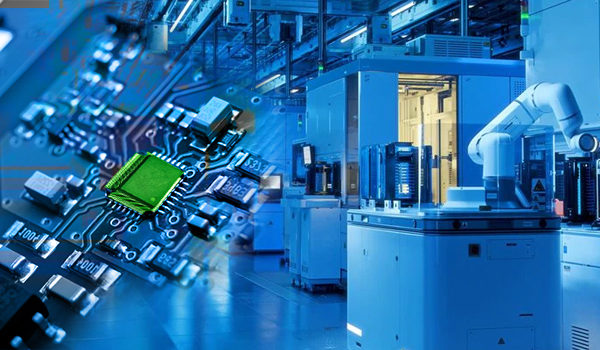
The International Innovation Forum on Green Plants concluded successfully this week, spotlighting the urgent push toward green semiconductor fabs as the global chip industry scales up for the AI-driven future. The event brought together leaders from industry, academia, and research institutions to address sustainability challenges and accelerate the transition from conceptual innovation to large-scale implementation.
Industry Growth Meets Sustainability Pressure
In her opening remarks, Feng Li, President of SEMI China, highlighted the rapid expansion of semiconductor manufacturing driven by AI and digital transformation. According to SEMI data, global spending on 300mm wafer fab equipment is expected to reach $374 billion between 2026 and 2028.
She emphasized that the rise of green semiconductor fabs is no longer just an environmental priority but a strategic necessity. Fabrication plants account for nearly 60% of total factory energy use and 80% of water consumption, making efficiency improvements critical to future competitiveness.
AI Powers the Next Generation of Green Plants
Hung Jung-tsung of Foxconn Technology Group noted that AI is transforming plant management. With global semiconductor revenue projected to hit $791.7 billion by 2025, energy demand is surging alongside computing power needs.
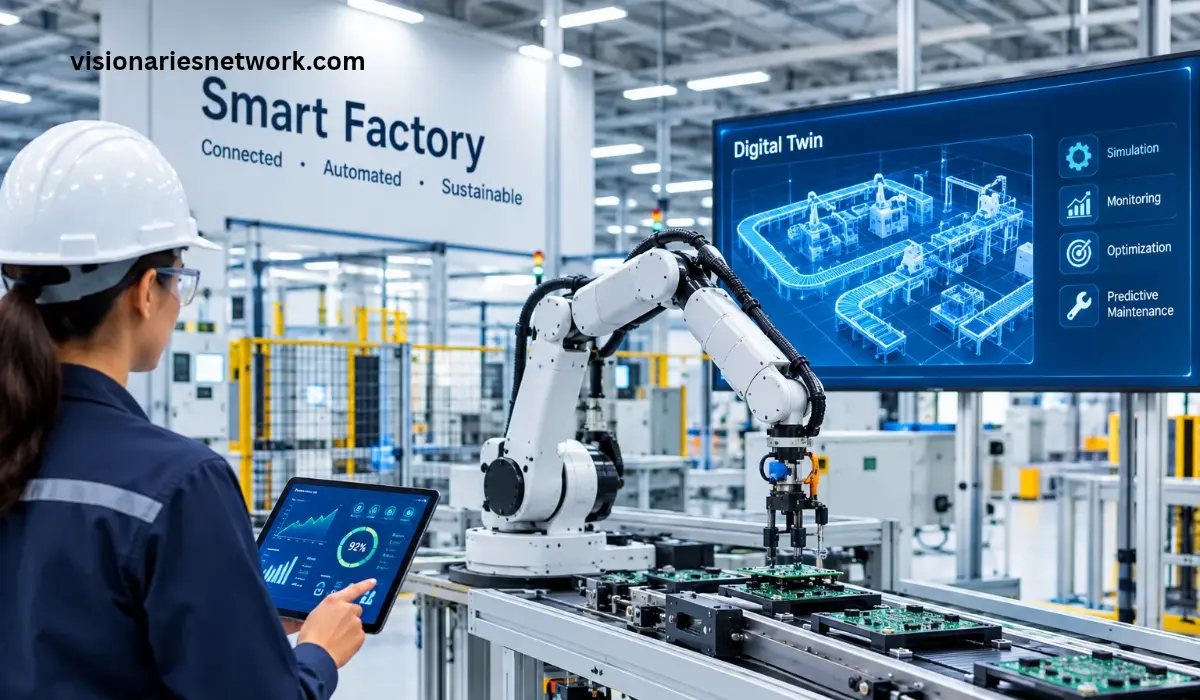
AI-driven systems—such as machine learning models that predict heat loads—can reduce plant energy consumption by 10% to 20%. These innovations are helping evolve fabs from static automation to intelligent, self-optimizing environments, reinforcing the importance of green semiconductor fabs.
Industry Leaders Showcase Real-World Solutions
Executives from major firms shared practical approaches to sustainability. BOE Technology Group outlined its roadmap toward carbon neutrality by 2050, while Schneider Electric highlighted AI-powered energy efficiency systems to tackle rising costs and emissions.
Meanwhile, Honeywell and Siemens presented integrated solutions combining predictive maintenance, digital energy management, and cybersecurity to optimize operations in semiconductor plants.
Innovations extended to infrastructure as well. Technologies like cooling energy recovery systems and advanced cleanroom efficiency metrics are helping fabs reduce waste and improve overall energy performance.
Driving Toward a Low-Carbon Future
Experts agreed that collaboration across the semiconductor ecosystem is essential to achieving global carbon goals. From AI-enabled smart factories to zero-carbon energy systems, the forum demonstrated how green semiconductor fabs are becoming the backbone of sustainable industrial growth.
As the semiconductor industry continues its rapid expansion, the shift toward greener, smarter manufacturing is set to define the next era of technological progress—balancing innovation with environmental responsibility.
Browse our most recent publications