GPS Tracker Market Set for Growth as Consumer Asset Tracking Gains Ground
Latest Updates





visionaries Network Team
04 November, 2026
iot and robotics
GPS tracker demand is rising as consumer asset tracking expands across Europe and North America, with the market projected to reach €4.2 billion by 2030
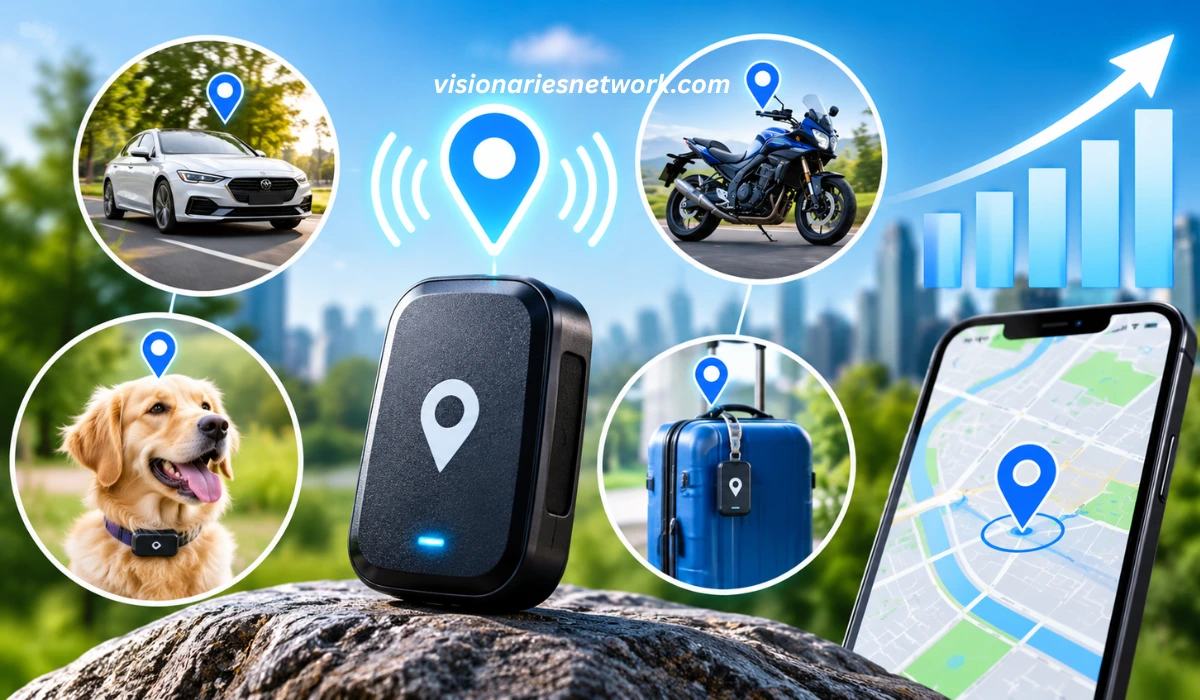
The use of GPS tracker devices is spreading beyond vehicle navigation. Consumers are increasingly using them to keep an eye on pets, cars, motorcycles and other personal belongings.
This growing interest is reflected in new market research from Berg Insight, which points to a steady rise in consumer tracking across Europe and North America.
The installed base of active consumer asset tracking devices in these two regions stood at 16.8 million units at the end of 2025. Berg Insight expects this number to reach 31.4 million by 2030, representing an annual growth rate of 13.4%.
The market is also expected to grow in value, from €2.3 billion in 2025 to €4.2 billion by 2030.
Vehicle Tracking Device Use Extends Beyond Cars
These days, vehicle tracking device evolved beyond just keeping tabs on cars. People are now turning to these handy gadgets to safeguard their motorcycles and electric bikes too.
With these devices, owners can easily track the whereabouts of their vehicles and get real-time location updates through various connected services.
Several companies have developed products for these needs. CarLock offers connected vehicle monitoring, while Monimoto focuses on motorcycle security and tracking.
Pet owners are another important group of customers. Tractive provides GPS-based pet trackers that allow owners to follow their pets' locations and monitor their activity.
Asset Tracking Still Has Room to Grow
Despite the availability of connected devices, asset tracking remains a relatively small market compared with its potential.
Berg Insight estimates that GPS tracking products have reached a penetration rate of just 1.2% across Europe and North America.
The potential customer base is considerable. The two regions have more than 380 million dogs and cats, around 620 million passenger cars and nearly 70 million children aged between four and ten.
Technology improvements could help bring more consumers into the market. Low-power connectivity is important for small trackers that need to operate for long periods without frequent battery changes.
Satellite networks could also help devices remain connected in places where cellular coverage is weak.
AI-based features are adding another dimension to tracking products, particularly in pet monitoring, where activity and health-related insights are becoming part of the service.
Berg Insight's findings suggest that the market has considerable room to develop. For manufacturers and service providers, the challenge will be to offer products that are practical, reliable and suited to everyday consumer needs.
Frequently Asked Questions
1. What is a GPS tracker used for?
A GPS tracker helps users check the location of vehicles, pets and personal belongings. Depending on the product, it may also provide movement alerts and activity information.
2. Why is demand for vehicle tracking devices increasing?
More vehicle owners want to monitor their cars, motorcycles and electric bicycles. Connected tracking services give them another way to keep track of their vehicles and improve security.
3. What does asset tracking mean?
Asset tracking refers to monitoring the location of physical items using technologies such as GPS, cellular networks and satellite connectivity.
4. Which regions are driving consumer asset tracking growth?
Europe and North America are the main regions covered by the Berg Insight research. Together, they had 16.8 million active consumer tracking devices at the end of 2025.
5. What is the expected size of the consumer asset tracking market by 2030?
Berg Insight forecasts that the market value will increase from €2.3 billion in 2025 to €4.2 billion by 2030, with the installed base reaching 31.4 million active devices.
Browse our most recent publications