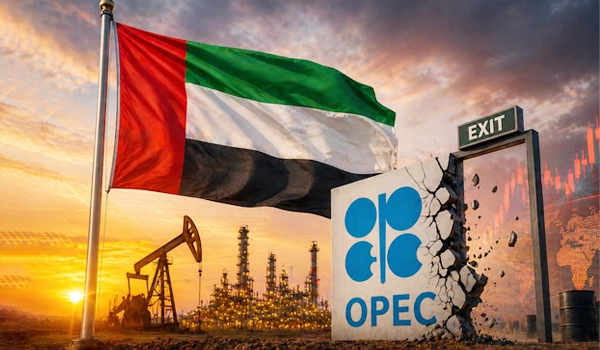
UAE Quits OPEC in Stunning Exit, Shakes Global Oil Markets
Latest Updates





visionaries Network Team
29 April, 2026
Economy
UAE quits OPEC after nearly 60 years, sending shockwaves through global oil markets. The surprise move could reshape prices, supply, and Saudi influence
The UAE leaves OPEC in a dramatic move that could reshape the balance of power in global energy markets.
The United Arab Emirates announced Tuesday that it will officially exit the oil-producing cartel this Friday, ending nearly six decades of membership.
The surprise decision delivers a major setback to OPEC, the coalition of oil-exporting nations that has long influenced crude prices by setting production quotas. The UAE was one of OPEC’s top producers, pumping around 3.6 million barrels of oil per day before the recent regional conflict disrupted supplies.
Why the UAE Leaves OPEC
Emirati officials have reportedly grown frustrated with OPEC quotas, arguing they limited the country’s ability to expand exports and capitalize on rising global demand. The UAE has invested heavily in boosting production capacity to 5 million barrels per day by 2027.
Energy Minister Suhail Al Mazrouei said the nation wants greater flexibility to meet consumer demand and respond independently to market conditions.
“The world needs more energy,” he said, emphasizing that the UAE wants to operate without restrictions from producer groups.
Immediate Impact on Oil Prices
The UAE's announcement to leave OPEC had little immediate impact on prices because oil markets are already under pressure from the Iran conflict and shipping disruptions in the Strait of Hormuz.
Brent crude remained elevated after the news, having surged more than 50 percent since the regional war began. The strait, a key route for nearly one-fifth of the world’s oil supply, remains heavily restricted.
Analysts say the UAE’s exit could matter more in the long term by increasing market volatility. With fewer barrels under coordinated production controls, prices may swing more sharply in response to geopolitical shocks or demand shifts.
Rising Tensions with Saudi Arabia
The decision also highlights growing tensions between the UAE and Saudi Arabia, OPEC’s de facto leader. Once close allies, the two Gulf powers have increasingly pursued different regional and economic strategies.
Experts say Saudi Arabia may now carry a heavier burden in stabilizing oil markets without strong support from another major Gulf producer.
What Happens Next?
The UAE leaves OPEC move follows previous exits by Angola, Ecuador, and Qatar. But unlike those nations, the UAE is a far larger producer, making this departure far more significant.
Markets will now watch whether the UAE boosts exports aggressively once regional shipping routes reopen. If production rises sharply, global crude prices could face fresh downward pressure later this year.
Browse our most recent publications