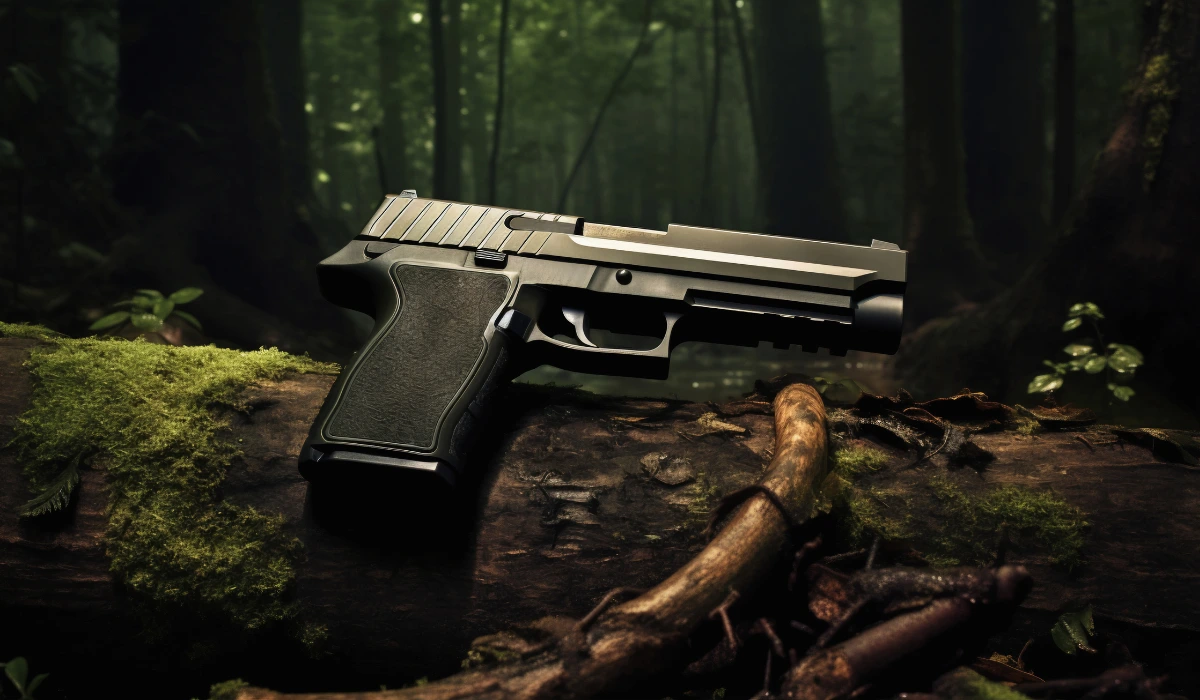
New York 3D Printer Gun Law Targets Ghost Gun Production
Latest Updates





visionaries Network Team
15 June, 2026
legal and regulatory compliance
New York’s 3D printer gun law could require printers to block firearm designs, aiming to curb ghost guns while raising privacy and technology concerns
New York has introduced a groundbreaking approach to curb the rise of untraceable ghost guns by requiring future 3D printers to include technology that can detect and block firearm designs. The 3D printer gun law marks a shift in gun regulation by focusing on the machines used to manufacture weapons rather than the individuals producing them.
The legislation, which is also being considered in California, would require experts to develop algorithms capable of identifying digital blueprints for firearm parts and preventing them from being printed. However, the mandate is not expected to take effect until at least 2029, giving time to assess whether the technology is practical.
Growing Concern Over Ghost Guns
Authorities have reported a sharp increase in privately made firearms recovered at crime scenes over the past several years. Many of these so-called ghost guns lack serial numbers, making them difficult for investigators to trace. The proposed 3D printer gun law is designed to address this growing challenge by limiting access to the manufacturing process itself.
Supporters argue that blocking firearm designs at the printer level could prevent prohibited individuals from producing weapons at home. Gun safety advocates view the measure as a proactive response to advances in additive manufacturing technology.
Privacy and Technology Questions Remain
Despite support from some industry groups, critics question whether the detection software can accurately distinguish gun components from harmless objects with similar shapes. Digital rights advocates also warn that scanning every uploaded design could create privacy concerns for businesses, engineers, and hobbyists.
Opponents further argue that determined users may still find ways to bypass restrictions by modifying digital files or using printers without blocking software. As debates continue, the 3D printer gun law could become a model for other states seeking new strategies to regulate ghost guns while balancing innovation, privacy, and constitutional rights.
FAQs
1. What is the new 3D printer gun law in New York?
The new law requires future 3D printers sold in New York to include technology that can detect and block the printing of firearm parts or complete gun designs, helping reduce the production of ghost guns.
2. Why is New York introducing this law?
The legislation aims to prevent the creation of untraceable ghost guns, which have increasingly been linked to criminal activities and can be made without serial numbers or background checks.
3. When will the 3D printer gun law take effect?
The requirement is expected to begin in 2029 or later, depending on whether experts determine that the firearm-detection technology is technically feasible and reliable.
4. How would the blocking technology work?
The proposed system would analyze digital files submitted to a 3D printer, compare them against a database of firearm components, and prevent printing if the design closely matches gun parts.
5. What are the main concerns about the proposed law?
Critics argue that the technology may incorrectly block harmless designs, raise privacy issues by scanning user files, and may not stop determined individuals from finding alternative ways to produce firearms.
Browse our most recent publications