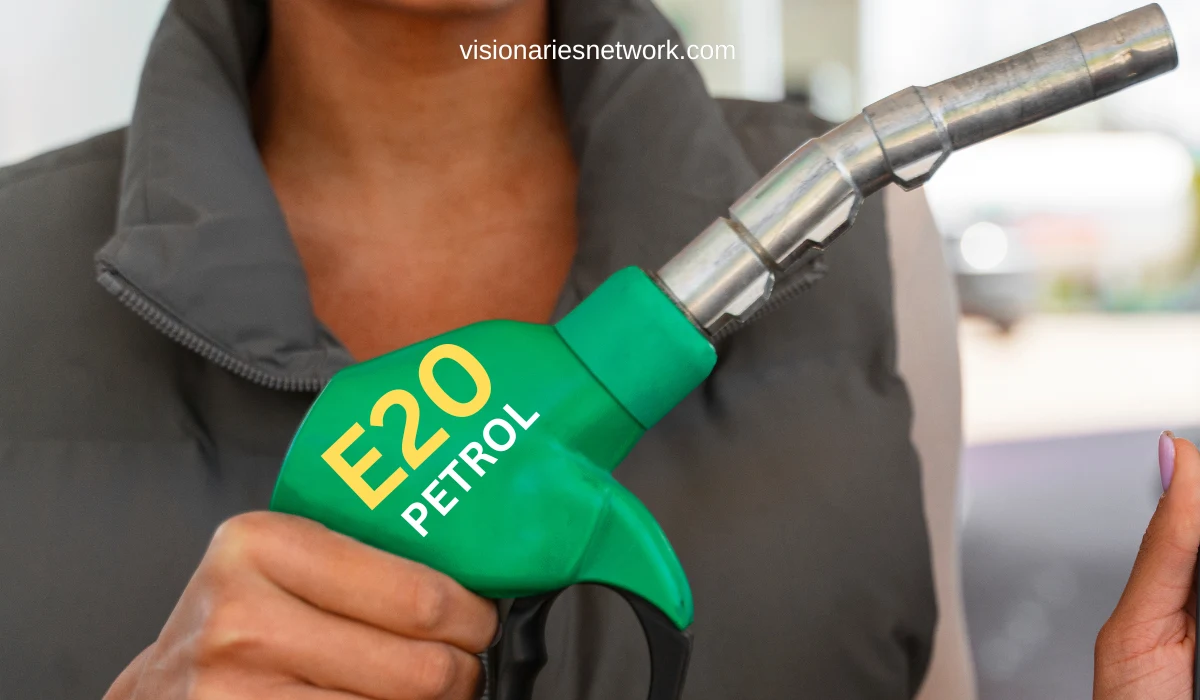
E20 Fuel Quality Concerns Spark Calls for Better Testing
Latest Updates





visionaries Network Team
22 July, 2026
Automobile
E20 fuel quality concerns are growing in India as the auto industry seeks independent testing to prevent contamination and protect consumers
The Indian automobile industry has urged the government to establish a stronger system for checking fuel sold at petrol pumps. The demand follows complaints from vehicle owners reporting problems such as engine stalling and difficulty starting their vehicles after the wider rollout of E20 petrol. Industry executives, however, say the issue may not be E20 itself but rather contaminated fuel being supplied to consumers.
Water Contamination Raises Concerns
According to a report by ET Auto, investigations into some customer complaints reportedly found higher levels of moisture and chloride in fuel samples. Ethanol is hygroscopic, meaning it can absorb water from its surroundings. This can become a concern when existing underground storage tanks and pipelines are not adequately prepared for higher ethanol blends.
Water can enter storage systems through rainwater, condensation, moisture or fuel transportation. When water levels rise, ethanol may combine with water and separate from petrol in a process known as phase separation. This could result in vehicles receiving a water-rich mixture, potentially affecting engine performance.
The industry has also raised concerns about older mild-steel storage tanks and pipelines, which may be more vulnerable to corrosion.
Industry Seeks Independent Fuel Testing
Industry representatives have called for an independent body to monitor E20 fuel quality and verify that petrol sold at pumps meets established standards. They believe independent testing could improve accountability and identify fuel contamination before it reaches consumers.
The industry has also highlighted the need to upgrade fuel storage and transportation infrastructure as India expands its ethanol blending program. According to the Bureau of Indian Standards (BIS), fuel quality standards help ensure products meet prescribed specifications.
As E20 fuel becomes more widely available, improved testing, storage infrastructure and monitoring could help address concerns surrounding ethanol blended petrol and build consumer confidence.
FAQs
1. What is E20 fuel?
E20 fuel is petrol blended with up to 20% ethanol.
2. Is E20 petrol suitable for every vehicle?
No. Vehicle compatibility depends on the manufacturer's specifications and the vehicle's design.
3. What is fuel contamination?
Fuel contamination occurs when unwanted substances such as water or other impurities enter petrol.
4. What is phase separation?
Phase separation happens when water causes ethanol to separate from petrol, potentially creating a water-ethanol layer.
5. Why is independent fuel testing important?
Independent testing can help verify fuel quality and ensure petrol sold at pumps meets required standards.
Browse our most recent publications