Kia Bets Big on Software-Defined Vehicles, Plans Humanoid Robots in US Factories by 2029
Latest Updates





visionaries Network Team
10 April, 2026
iot and robotics
Kia Corporation is accelerating its transformation into a future-ready mobility company, with a bold plan to introduce humanoid robots in its U.S. manufacturing facilities by 2029 while advancing its transition toward software-defined vehicles. This dual strategy reflects the company’s ambition to enhance operational efficiency, improve workplace safety, and unlock new long-term revenue streams through artificial intelligence and digital services.
Kia’s Bold Shift Toward Software-Defined Vehicles
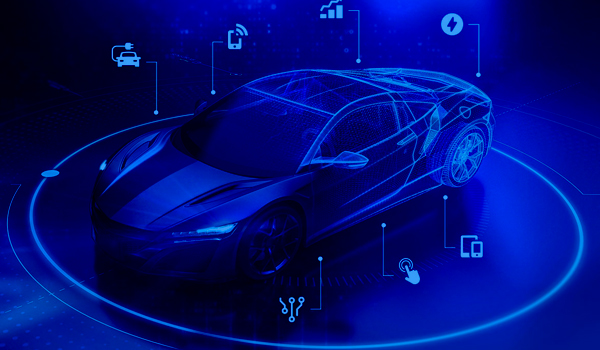
At the center of this transformation is Kia’s push toward software-defined vehicles, a rapidly emerging trend reshaping the global automotive industry. The company aims to complete development of its first such vehicle by 2027, equipped with Level 2 autonomous driving capabilities for highway use. A more advanced version, capable of navigating regular roads, is expected by 2029. By embedding software deeply into vehicle architecture, Kia intends to offer over-the-air updates, advanced infotainment systems, and subscription-based services that extend revenue generation well beyond the initial sale.
Software-Defined Vehicles to Unlock Recurring Revenue Streams
The software-defined vehicles strategy is increasingly seen as a critical growth driver across the automotive sector. Industry estimates suggest the market could surpass $1 trillion in the coming decade, driven by consumer demand for connected, customizable, and continuously improving vehicles. For Kia, this shift will enable recurring income streams while also reducing maintenance costs through predictive diagnostics and remote updates.
Humanoid Robots Set to Transform U.S. Manufacturing by 2029
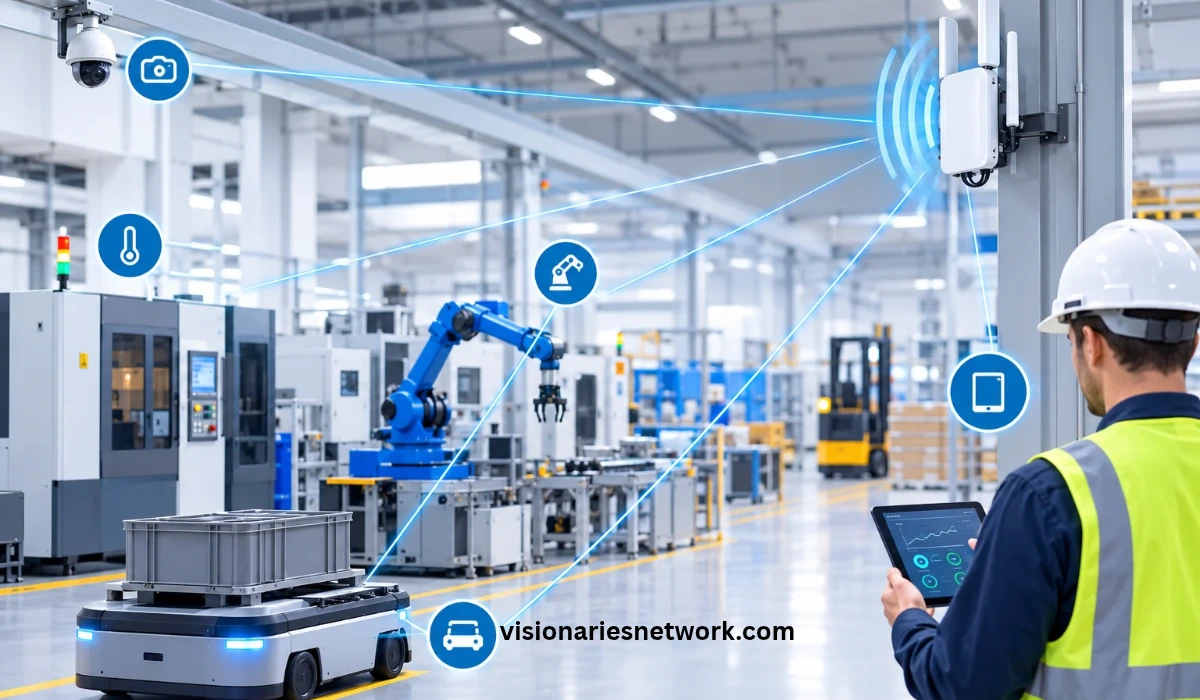
Alongside its software ambitions, Kia plans to deploy humanoid robots—specifically the Atlas robot developed by Boston Dynamics, a subsidiary of Hyundai Motor Company—at its Georgia manufacturing facility. Initially assigned simple and repetitive tasks, these robots are expected to evolve through AI learning into handling more complex, high-value operations. This move is aimed at boosting productivity while minimizing workplace risks for human employees.
AI and Automation Drive Efficiency and Safety Goals
To support its innovation roadmap, Kia is investing over $500 million in physical AI technologies, including vision-language-action models, and strengthening collaborations with tech leaders like NVIDIA Corporation and DeepMind. These partnerships will play a crucial role in advancing both its manufacturing automation and vehicle intelligence capabilities.
Scaling Back EV Targets While Expanding Hybrid Lineup
Despite scaling back its electric vehicle targets slightly, Kia is expanding its hybrid lineup and refining its global sales strategy. The company now aims to balance EV growth with hybrid demand as market conditions evolve.
Global Sales Strategy Adjusted for Changing Market Dynamics
Kia has revised its global sales target to 4.13 million units, with a strong focus on the U.S. and emerging markets like India. As software-defined vehicles become central to its ecosystem, Kia is positioning itself to compete more effectively in a rapidly evolving automotive landscape defined by AI, automation, and digital innovation.
Browse our most recent publications