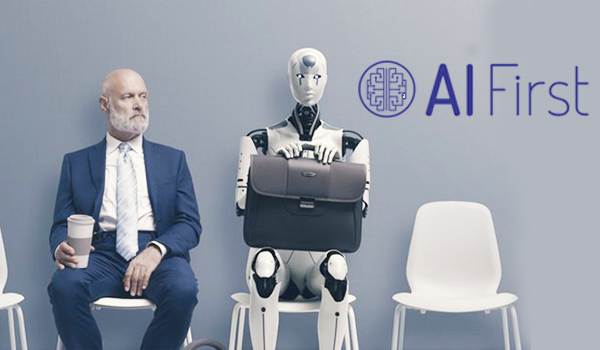
AI Job Losses Surge as Companies Go ‘AI-First’: Is the Workforce Ready?
Latest Updates





visionaries Network Team
09 April, 2026
ai vr and automation
The pace of transformation in the tech industry is intensifying, with AI job losses becoming a growing concern across global markets. Companies are rapidly adopting artificial intelligence to streamline operations, reduce costs, and boost productivity—often at the expense of traditional roles. What once seemed like a distant future is now unfolding in real time, as layoffs tied to automation rise faster than expected.
From entry-level analysts to experienced engineers, employees are feeling the impact of this shift. The rise in AI job losses signals a broader structural change in how businesses operate in the digital age.
Tech Giants Double Down on AI
Leading companies such as Google, Microsoft, and Meta are investing billions into artificial intelligence. These firms are integrating AI into everything—from search engines and cloud services to internal workflows and product development.
As these companies pivot toward automation, workforce restructuring has become inevitable. Many layoffs are now being linked directly or indirectly to AI adoption, as machines take over repetitive and data-heavy tasks. This trend is not limited to Big Tech; startups and enterprise firms alike are embracing AI-first strategies.
The Rise of Lean, AI-First Organizations
The concept of an “AI-first” company is quickly becoming the new standard. Businesses are designing operations where AI systems handle core functions such as coding, customer service, and data analysis. This allows companies to operate with smaller teams while maintaining—or even increasing—output.
However, this efficiency comes with a cost. The increase in AI job losses highlights the human impact of automation, particularly for roles that rely on routine processes. As AI tools become more sophisticated, the range of affected jobs continues to expand.
A Shifting Job Landscape
Despite the layoffs, experts emphasize that AI is not just eliminating jobs—it is also transforming them. New opportunities are emerging in areas like machine learning, AI ethics, and data engineering. The challenge lies in the speed of transition, which is leaving many workers struggling to keep up.
Jobs that require creativity, strategic thinking, and emotional intelligence are expected to remain in demand. Meanwhile, workers in repetitive roles face higher risks unless they adapt through reskilling.
Preparing for the Future
As AI job losses continue to make headlines, the need for workforce adaptation has never been more urgent. Governments, companies, and educational institutions must collaborate to provide training programs and support systems that help workers transition into new roles.
The shift toward AI-first organizations is unlikely to slow down. The real question is whether the workforce can evolve quickly enough to keep pace with technological change.
Browse our most recent publications