Nike and Others Power the Rise of Wearable Robotics
Latest Updates






visionaries Network Team
18 Febuary, 2026
wearable technology
Wearable robotics expand beyond elite athletes as Nike, Hypershell and others develop powered shoes and exoskeletons to reduce fatigue and support daily movement
For decades, performance footwear innovation was built around one goal: speed. Lighter foam, carbon plates, and improved traction were engineered primarily for elite runners. Now, the focus is shifting. The next phase of wearable robotics is less about breaking records and more about making everyday movement easier and more sustainable for regular users.
Nike’s Project Amplify Signals a New Direction
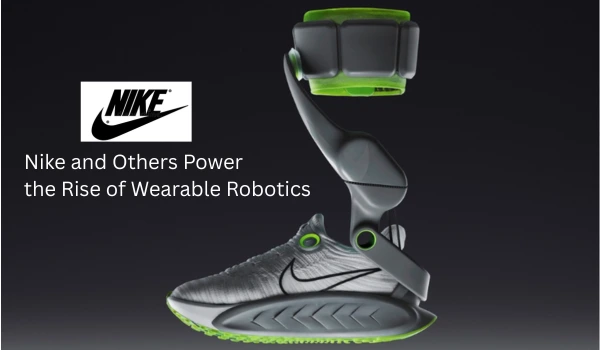
Nike is among the companies pushing this transformation. Its Project Amplify, developed with robotics partner Dephy, pairs a carbon plate inside the shoe with a motorized cuff worn above the ankle. Sensors track stride patterns in real time, allowing the system to provide subtle forward assistance that adapts naturally to movement.
Earlier powered footwear attempts struggled because batteries and motors made shoes heavy and unbalanced. Modern designs shift energy storage higher on the leg, improving stability and reducing strain on the foot. Combined with smarter sensors, today’s wearable robotics systems feel more like an extension of the body than external equipment. Nike has indicated it is targeting a commercial release around 2028.
Outdoor Exoskeletons Gain Ground
Beyond footwear, consumer-ready wearable robotics are appearing in the hiking and outdoor segment. Hypershell’s X and X Ultra models are lightweight exoskeletons designed to reduce fatigue on climbs and uneven terrain. They wrap around the waist and legs, offering assistive power without the bulk traditionally associated with robotic gear.
Dnsys has introduced the X1 all-terrain exoskeleton, marketed directly to hikers through crowdfunding and online sales. WIRobotics’ WIM, weighing roughly 3.5 pounds, supports natural hip motion and targets older adults and individuals recovering from minor injuries who want added assistance without clinical-looking devices.
Medical Roots Shape Consumer Designs
The foundation of today’s consumer wearable robotics can be traced to medical innovators such as Ekso Bionics and ReWalk. Their powered exoskeletons helped patients with spinal cord injuries and stroke regain mobility in rehabilitation settings. These early systems proved that robotic assistance could safely support human movement.
Expanding Who Gets to Participate
What connects these products is a shared purpose: actively assisting movement rather than simply tracking it. Much like electric bicycles broadened access to cycling, wearable robotics may expand participation in walking, running and hiking.
The technology remains expensive and early in adoption, but its direction is clear. Instead of focusing solely on performance gains for elite athletes, companies are designing systems that reduce fatigue, build confidence and make physical activity feel more achievable. In that shift, assisted movement may become less about speed — and more about staying active longer.
Browse our most recent publications