Smart City Development Boosts Urban Innovation
Latest Updates





visionaries Network Team
09 July, 2026
smart city and security infrastructure
Smart city development is transforming urban infrastructure with AI, IoT, and digital twins, helping governments build sustainable, resilient, and future-ready cities
The smart city development movement is accelerating as governments worldwide invest in technology to build more sustainable, resilient, and livable urban environments.
A new report released by the World Governments Summit Organization in collaboration with Deloitte highlights how digital innovation is transforming cities and supporting long-term economic growth, environmental sustainability, and improved quality of life.
Technology Powers Urban Transformation
The report, titled "Smart Cities: Integrating Technology for Sustainable Urban Development," states that sustainable urban planning is no longer optional as cities face rapid population growth, climate change, and mounting pressure on infrastructure.
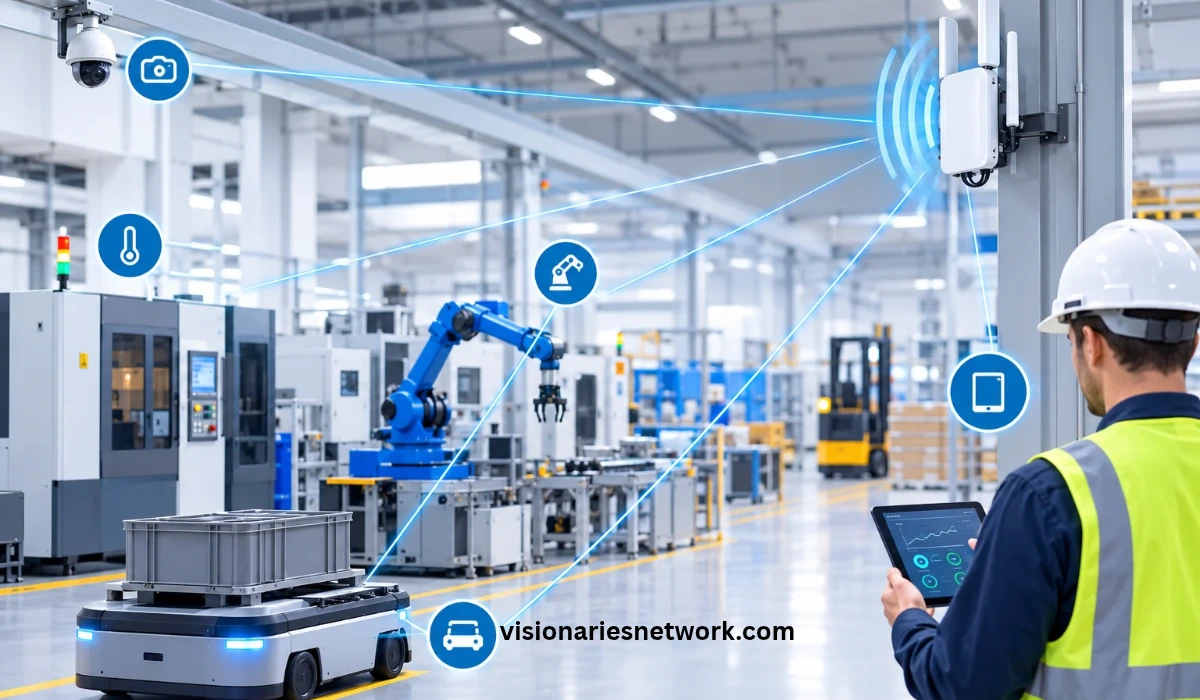
It emphasizes that technologies such as artificial intelligence, the Internet of Things (IoT), digital twins, predictive analytics, and advanced connectivity are helping governments optimize energy use, modernize transportation systems, and improve public services.
According to the report, cities that successfully integrate technology with sustainability goals will be better positioned to attract investment, strengthen climate resilience, and enhance citizen well-being.
More information about the report is available on the World Governments Summit website.
Building Resilient Cities
Reem Baggash said governments now recognize sustainable urban development as a strategic priority due to increasing urbanization and climate challenges. She noted that technology provides unprecedented opportunities to improve resource management, public services, and future readiness while supporting national competitiveness.
The report identifies five priorities for future cities: modernizing infrastructure, improving resource efficiency, increasing citizen participation, strengthening climate resilience, and creating healthier urban environments. It also stresses the importance of cybersecurity, digital public infrastructure, governance, and collaboration to scale smart city development initiatives successfully.
FAQs
1. What is smart city development?
It is the use of digital technologies to improve infrastructure, public services, sustainability, and quality of life in urban areas.
2. Which technologies are used in smart cities?
AI, IoT, digital twins, predictive analytics, robotics, advanced connectivity, and immersive technologies are commonly used.
3. Why are smart cities important?
They help cities reduce environmental impact, improve public services, increase efficiency, and strengthen resilience against climate change.
4. Who published the report?
The report was published by the World Governments Summit Organization in collaboration with Deloitte.
5. What challenges do smart cities face?
Key challenges include cybersecurity, governance, financing, interoperability, and implementing shared digital standards.
Browse our most recent publications