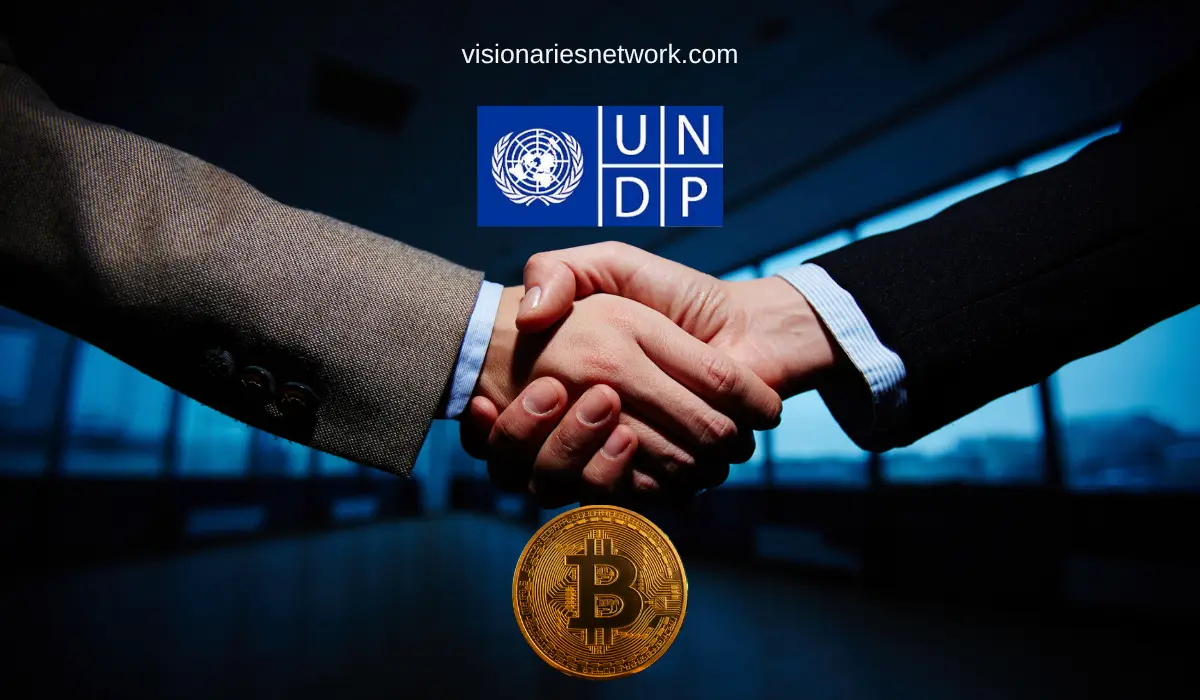
Blockchain Aid Payments Expand Through UNDP Partnership
Latest Updates




visionaries Network Team
10 July, 2026
blockchain and cryptocurrency
UNDP expands blockchain aid payments through its Stellar partnership, improving humanitarian aid delivery with faster, transparent, and cost-effective payments
The United Nations Development Programme has announced a major step toward modernizing humanitarian assistance by adopting blockchain aid payments as a standard solution across its country offices. The initiative, launched through a new agreement with the Stellar Development Foundation, follows nearly two years of successful pilot programs in 17 countries, demonstrating how blockchain technology can improve transparency, reduce costs, and speed up financial assistance.
Pilot Programs Deliver Strong Results
The partnership tested blockchain payments, digital aid distribution, and humanitarian finance in countries including Haiti, Syria, Kenya, Guatemala, and The Gambia. According to UNDP, the pilots produced measurable improvements.
In Aleppo, Syria, distribution costs for a Cash for Work program dropped from 10% to just 2% after adopting blockchain technology. Meanwhile, Haiti achieved a 100% payment success rate, ensuring every participant received their funds. The blockchain also created a permanent and transparent record of every transaction, helping strengthen donor confidence and financial accountability.
More information about the initiative is available on the official UNDP website.
Expanding Blockchain Across Global Programs
The agreement, which runs through 2027, will move beyond pilot projects to establish operational infrastructure for blockchain aid payments across UNDP programs worldwide.
The organization's Alternative Finance Lab will oversee governance, onboarding, and integration with existing payment systems, while the Stellar Development Foundation will provide technical expertise.
The announcement reflects growing global interest in stablecoins, financial inclusion, and blockchain technology, particularly in regions where traditional banking services remain limited. UNDP believes the initiative will help governments and humanitarian organizations deliver faster, more transparent, and more cost-effective assistance to vulnerable communities.
FAQs
1. What are blockchain aid payments?
Blockchain aid payments use blockchain technology to distribute humanitarian funds securely, transparently, and efficiently.
2. Who partnered with UNDP on this initiative?
UNDP partnered with the Stellar Development Foundation to expand blockchain-based payment systems.
3. Which countries participated in the pilot projects?
Pilot programs were conducted in Haiti, Syria, Kenya, Guatemala, and The Gambia, with prototypes developed for Colombia and Papua New Guinea.
4. What benefits did the pilots achieve?
The pilots reduced payment costs, improved transparency, and achieved a 100% payment success rate in Haiti.
5. When will the partnership continue until?
The agreement is scheduled to continue through 2027, with the goal of making blockchain payments a standard capability across UNDP programs.
Browse our most recent publications